Key takeaways
- Look, listen and test every month.
- Lubricate hinges, rollers and springs, not the track.
- Keep sensors and tracks clean.
- Schedule a professional tune-up each year.
Monthly: look, listen, test
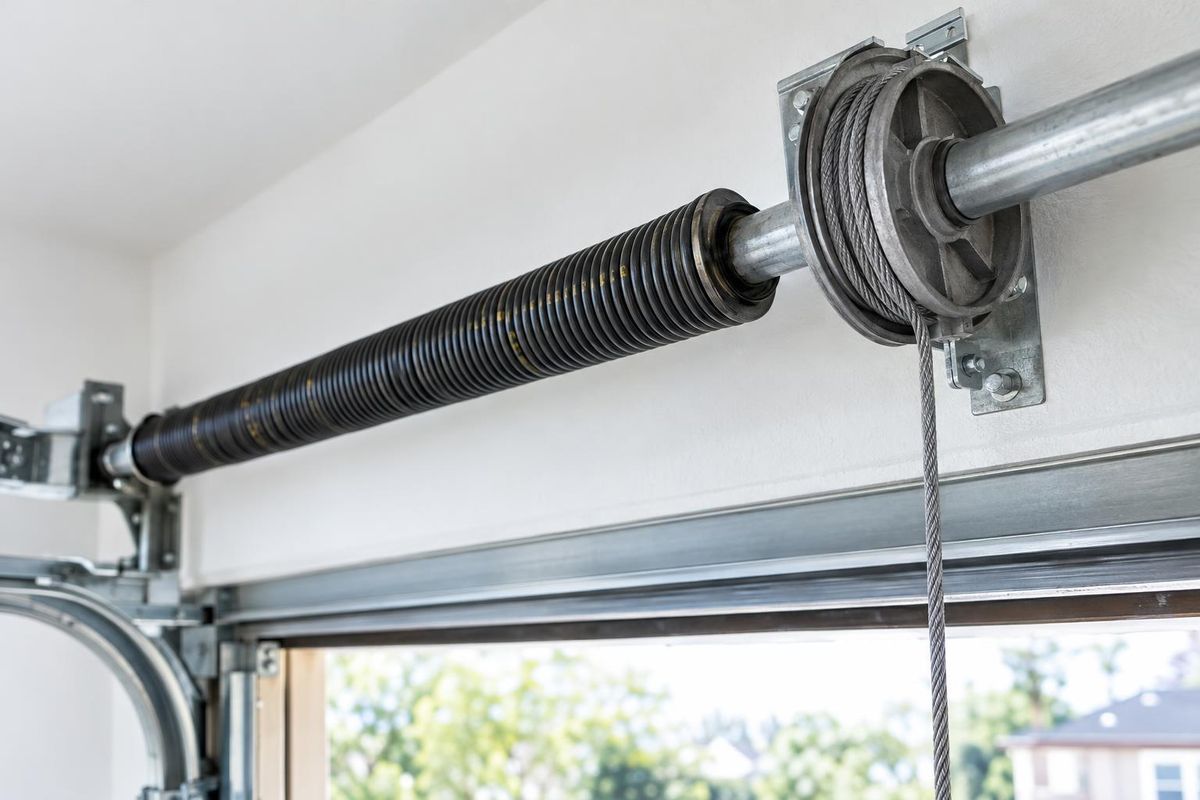
Watch the door open and close. Does it move evenly? Are there gaps, rubbing or new noises? Check the cables and springs visually, without touching them, for fraying or gaps. Run the auto-reverse and sensor tests.
Catching a small change early is the habit that pays off most.
Twice a year: clean and lubricate
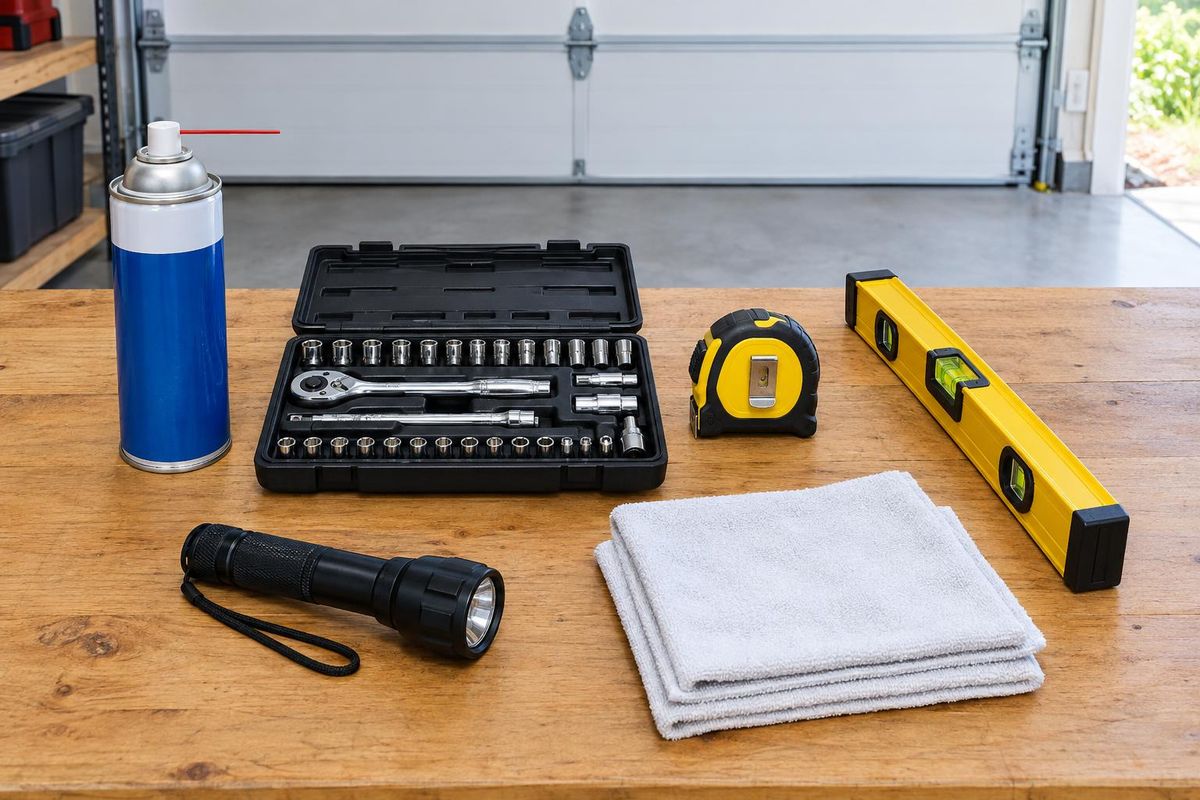
Wipe the tracks clean of dust and debris with a rag. Lubricate hinges, roller stems and the springs with a lubricant made for garage doors. Avoid heavy grease in the track, which collects dirt.
Tighten loose fasteners on brackets and hinges, but leave the spring and cable fittings alone.
Check the seals and the door itself
Inspect the bottom seal for cracks and flat spots. Look at the panels for dents, rust and delamination, and touch up scratches before moisture gets in.
In Nashville's humid summers, rust starts early on exposed edges, so a quick check after storm season is worthwhile.
Yearly: a professional tune-up
A technician checks balance and force, spring and cable condition, hardware wear and the opener. They fix small issues before they become breakdowns.
It is the easiest way to avoid a stuck-door morning.
Quick answers
What lubricant should I use?
Use a product made for garage doors, such as a silicone or lithium-based spray. Avoid thick grease in the track.
Can I wash my garage door?
Yes. Use mild soap and water and a soft brush, then rinse and dry. Avoid high-pressure sprays near seals and windows.