Key takeaways
- Humidity and heat speed rust and seal wear.
- Cold snaps stress springs, cables and lubricants.
- Storm wind can damage unbraced or older doors.
- Seals and a yearly tune-up are the simplest protection.
Humid summers
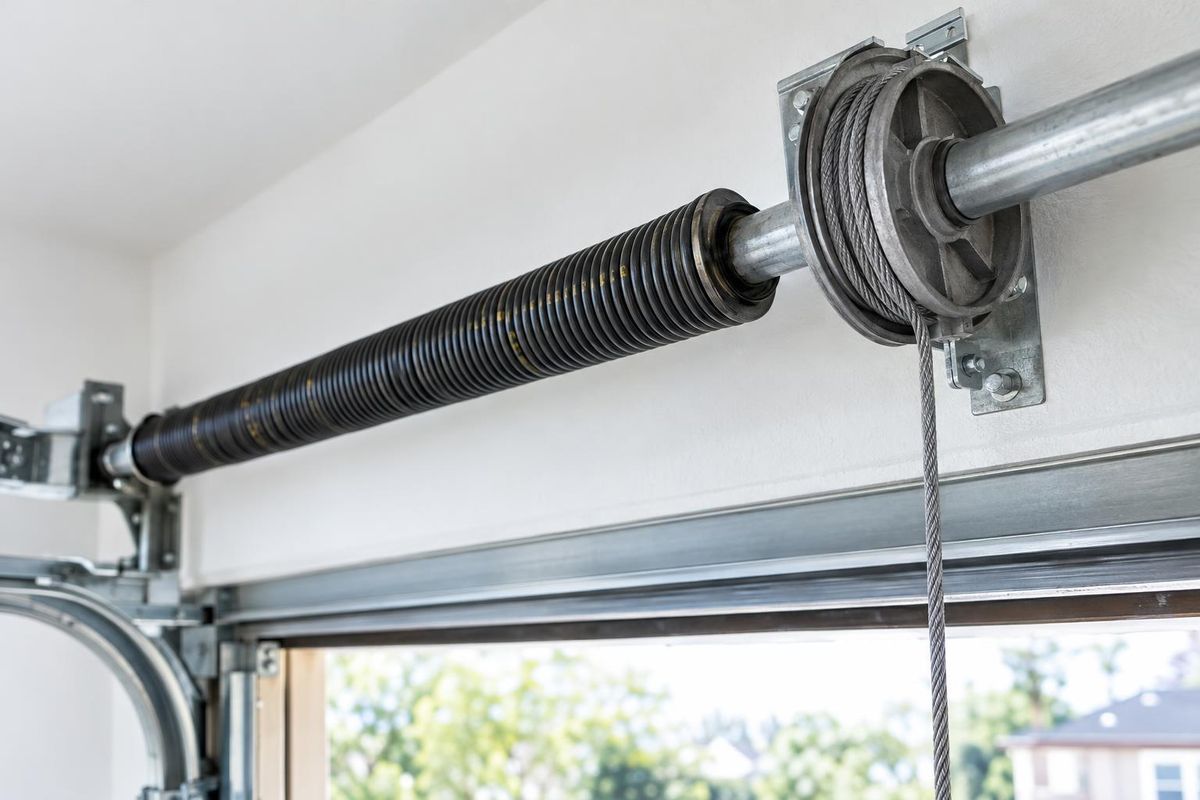
Heat and moisture promote rust on springs, cables and track, soften seals and swell wood doors. Lubrication and a quick inspection after the wettest months help.
Homes in Nashville and the surrounding river valleys often see it first on exposed bottom edges.
Cold snaps and freezing nights
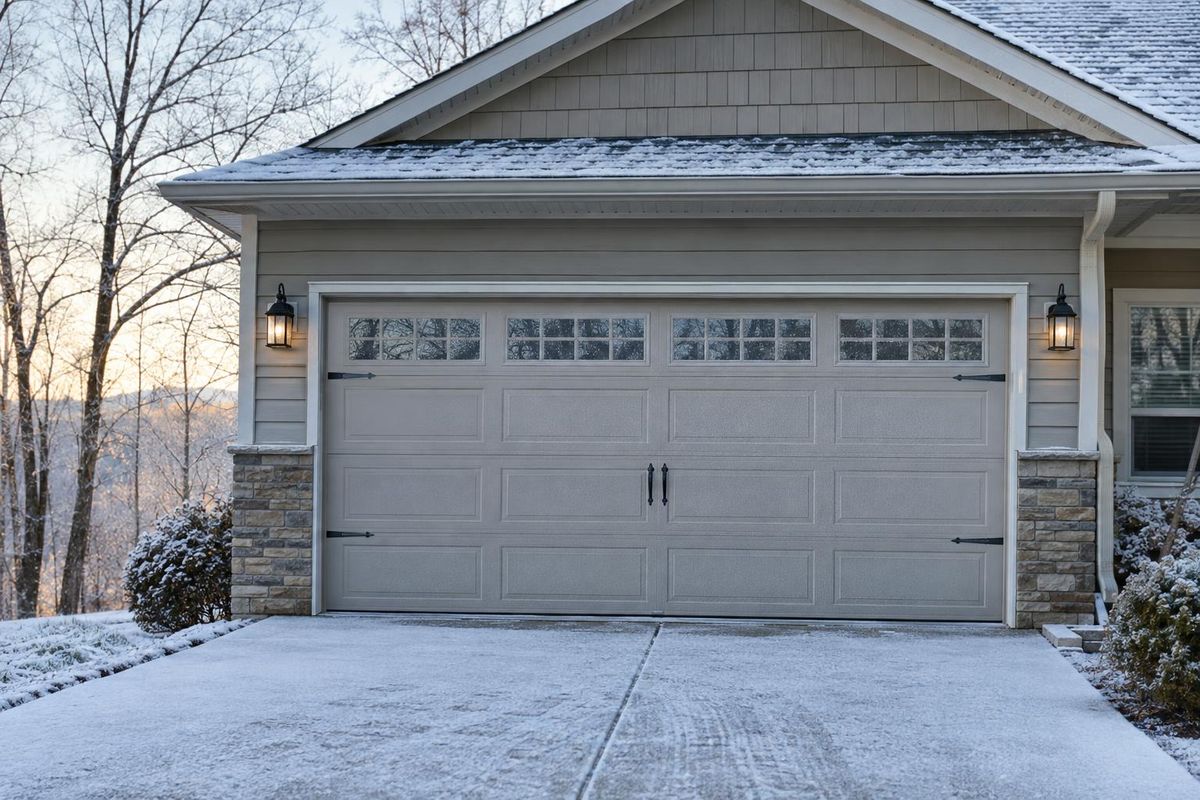
Freezing weather makes lubricants thicker and metal more brittle. Springs and cables are more likely to fail on a very cold morning. Seals can stick to the ground in an ice storm.
A fall tune-up before the first hard freeze is a smart habit.
Storms and wind
Severe weather is part of life in Tennessee. Wind can bend sections or push on a door that is not braced. If you are replacing a door, ask about wind-rated models and reinforcement.
After a storm, check the door for dents, crooked travel and track damage before running it.
Power outages
Storm outages are common. Know how to use the red release cord to open the door by hand, and consider a battery backup opener for peace of mind.
If the door stops working after an outage, check the opener's power first.
Quick answers
Do garage doors need extra care in the humidity?
Yes. Lubricate regularly and watch for rust on springs, cables and the bottom edge.
Should I get a wind-rated door?
If your home is exposed or you are replacing a door, it is worth asking about wind-rated options.