Key takeaways
- Each noise points to a different cause.
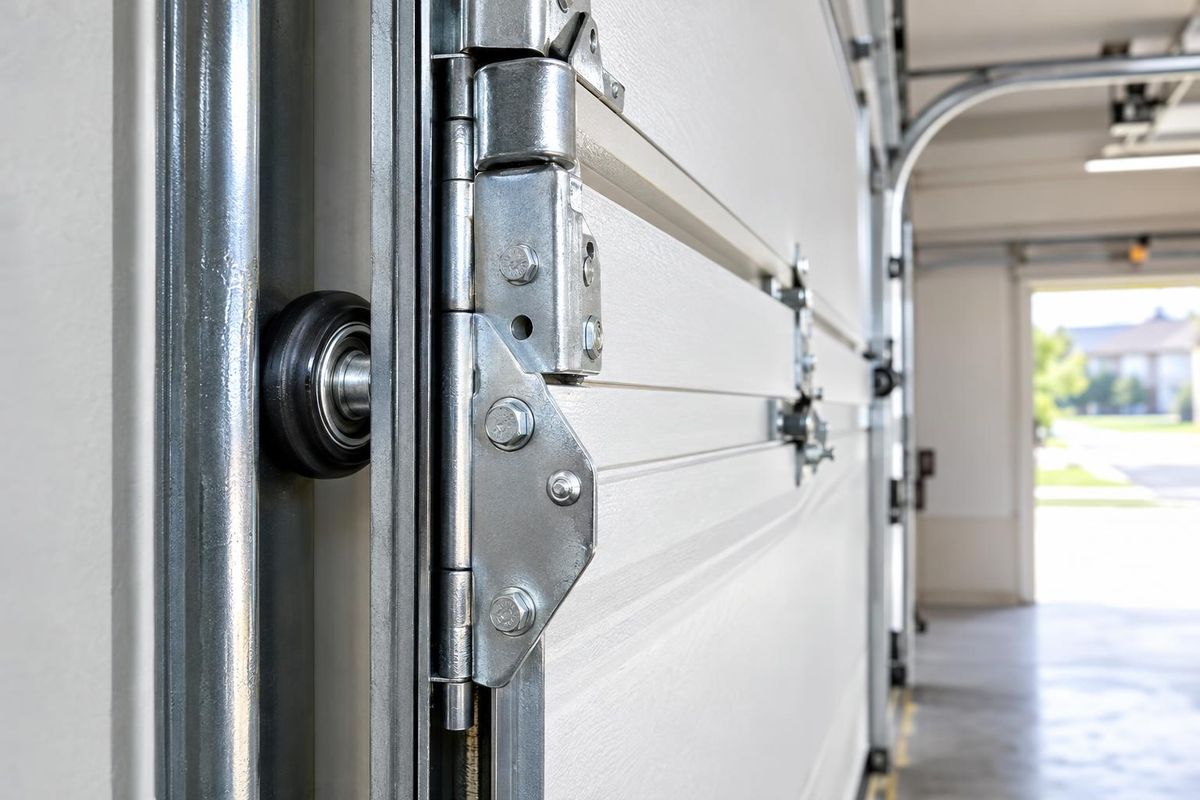
- Dry hinges and rollers cause most squeaks.
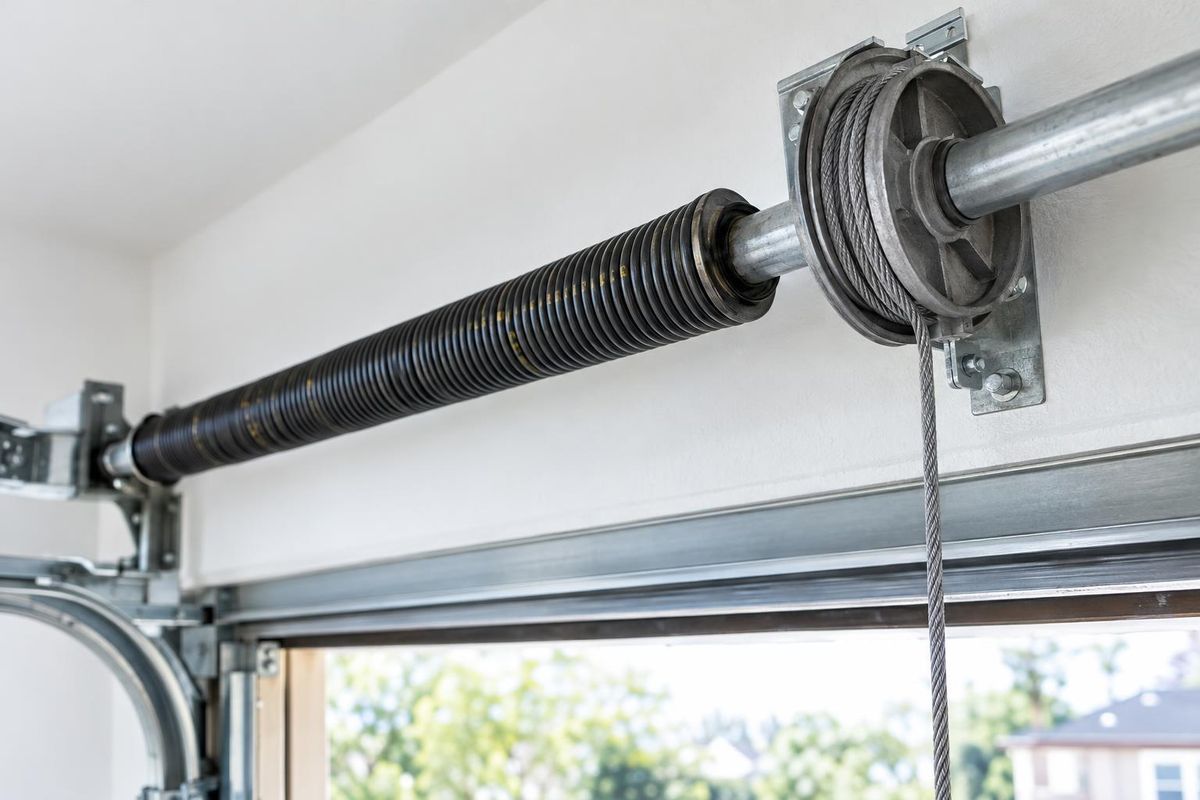
- Bangs and pops can mean springs or cables, which are unsafe to DIY.
- Upgrading rollers or the opener can make the door much quieter.
Squeaks and squeals
High-pitched squeaks usually come from dry hinges, rollers or springs. A garage-door lubricant on those moving parts often quiets them. Avoid heavy grease in the track.
If squeaks return quickly, the parts may be worn and ready to replace.
Rattles and rumbles
Rattling often means loose bolts or brackets. Rumbling can come from worn or steel rollers running in the track. Nylon or sealed-bearing rollers are smoother and quieter.
Tightening hardware is a simple fix, but never loosen or tighten spring and cable fittings.
Grinding and humming
Grinding from the opener can mean a worn gear or trolley. Humming without movement can mean a broken spring. Both need a technician.
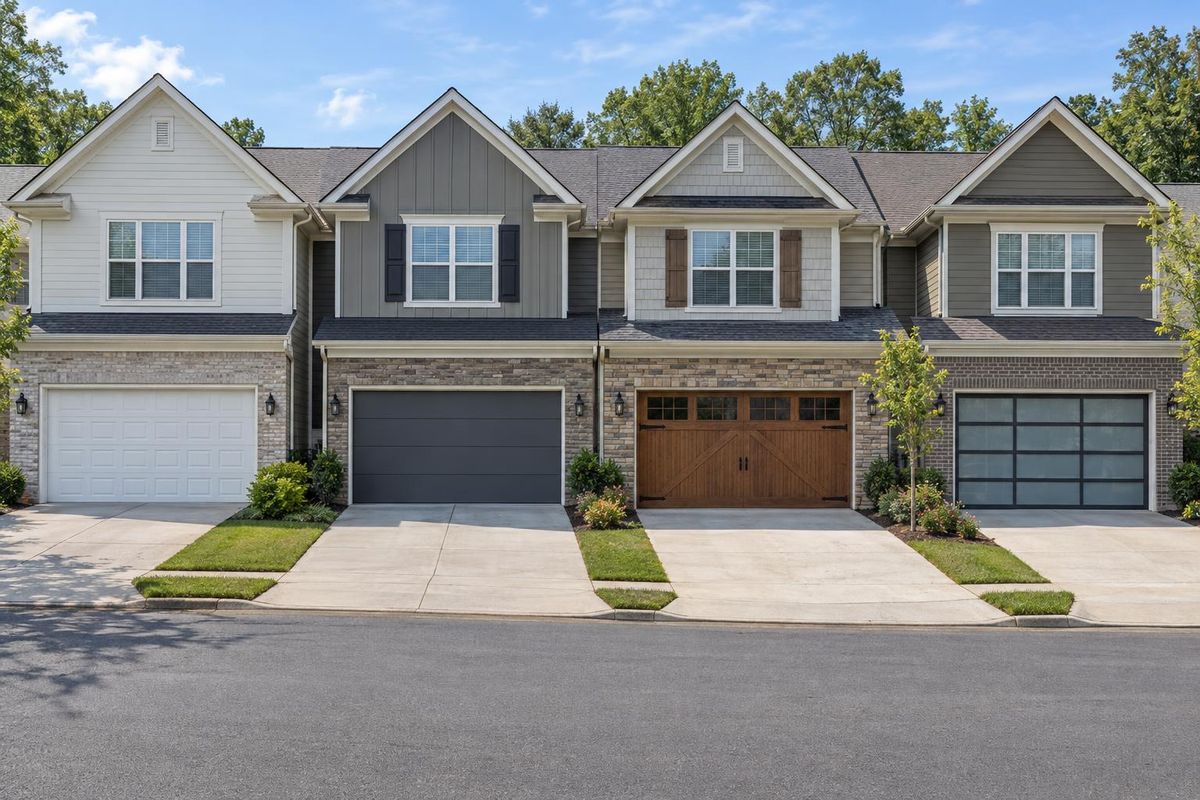
If your bedroom is above the garage in a Nashville townhome, a belt-drive or wall-mount opener is the biggest upgrade for noise.
Bangs and pops
A loud bang is often a spring breaking. Pops as the door moves can be the panels flexing, track misalignment or hinges working. Stop using the door if the sound is accompanied by crooked travel.
A professional inspection tells you which it is.
Quick answers
Will a quieter opener fix everything?
It helps with opener noise, but door noise from rollers, hinges and track needs those parts addressed.
How often should I lubricate?
Twice a year is a good rule for most homes.