Key takeaways
- Test the auto-reverse and the sensors once a month.
- A door that is out of balance is unsafe and strains the opener.
- Never disable the safety sensors.
- Springs and cables are for professionals only.
Test the auto-reverse
Place a flat piece of wood about an inch and a half thick on the floor in the path of the closing door, then close it with the opener. When the door touches the board, it should stop and reverse. If it does not, stop using the opener and call for service.
A door that fails this test could injure a person or pet.
Test the photo-eye sensors
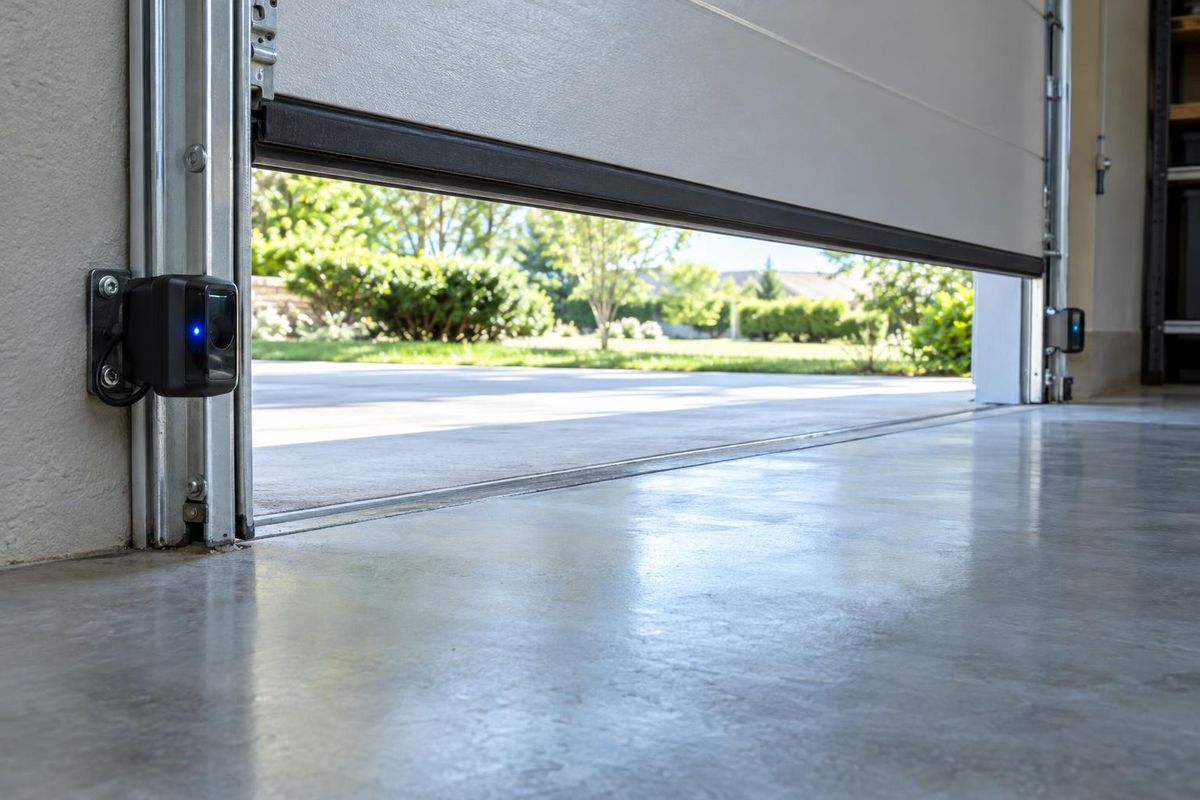
With the door fully open, start it closing and wave an object, such as a broom handle, through the beam near the floor. The door should stop and reverse. If it does not, check that both sensors are clean, aligned and showing their indicator lights.
If the sensors are damaged or will not light, call for service rather than bypassing them.
Check the balance
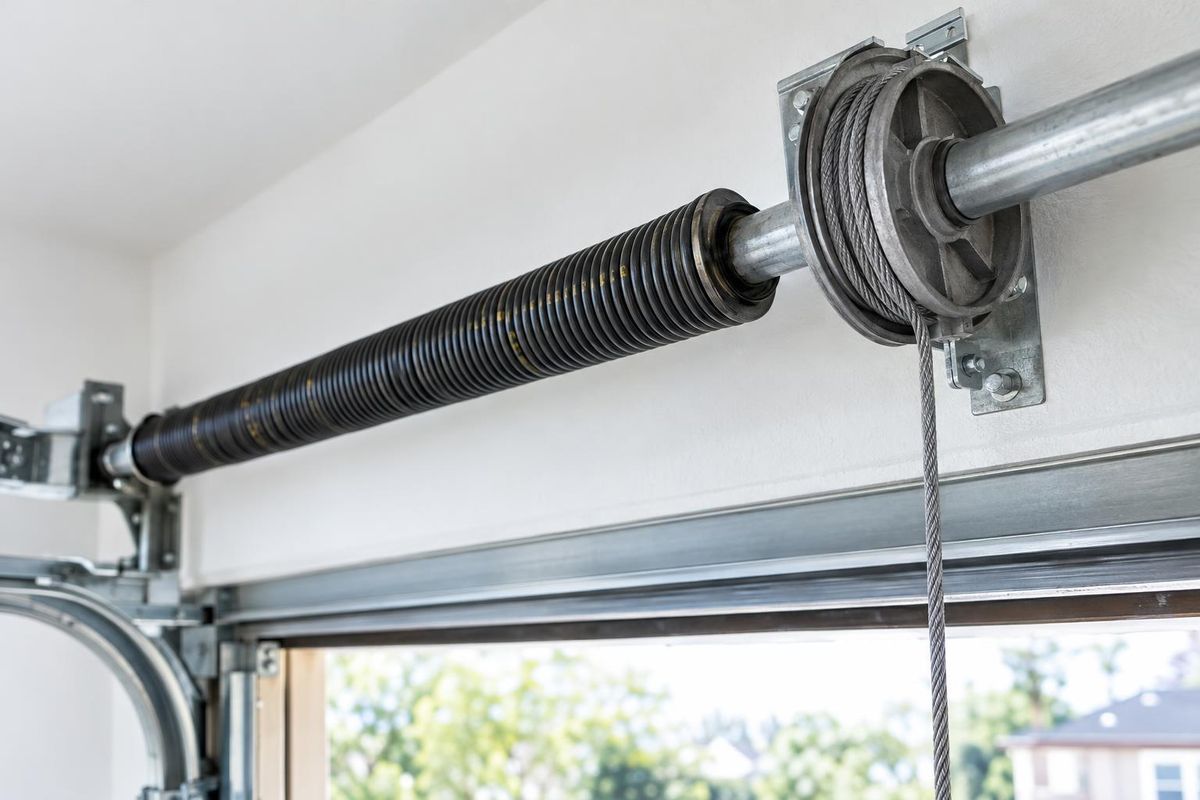
Disconnect the door from the opener using the red release cord, with the door closed, and lift it by hand about halfway. A balanced door stays in place. If it drifts up or down, the springs are out of balance.
Do not attempt to adjust the springs yourself. Reconnect the opener and call a professional.
Know the warning signs
A loud bang, a gap in a spring, a frayed cable, crooked travel, a door that closes by itself or sensors that fail are all reasons to stop and call.
A regular safety inspection catches most of these before they become urgent.
Quick answers
How often should I test my garage door?
Test the reversal and sensors monthly. A professional safety inspection once a year is a good habit.
Is it safe to bypass the sensors if the door will not close?
No. Fix the cause instead. The sensors protect people and pets.