Key takeaways
- Belt and wall-mount openers are the quietest; chain drives are the most traditional.
- Horsepower matters less than a balanced door.
- Smart features and battery backup are worth considering.
- Safety sensors and auto-reverse are required on modern openers.
Choose a drive type
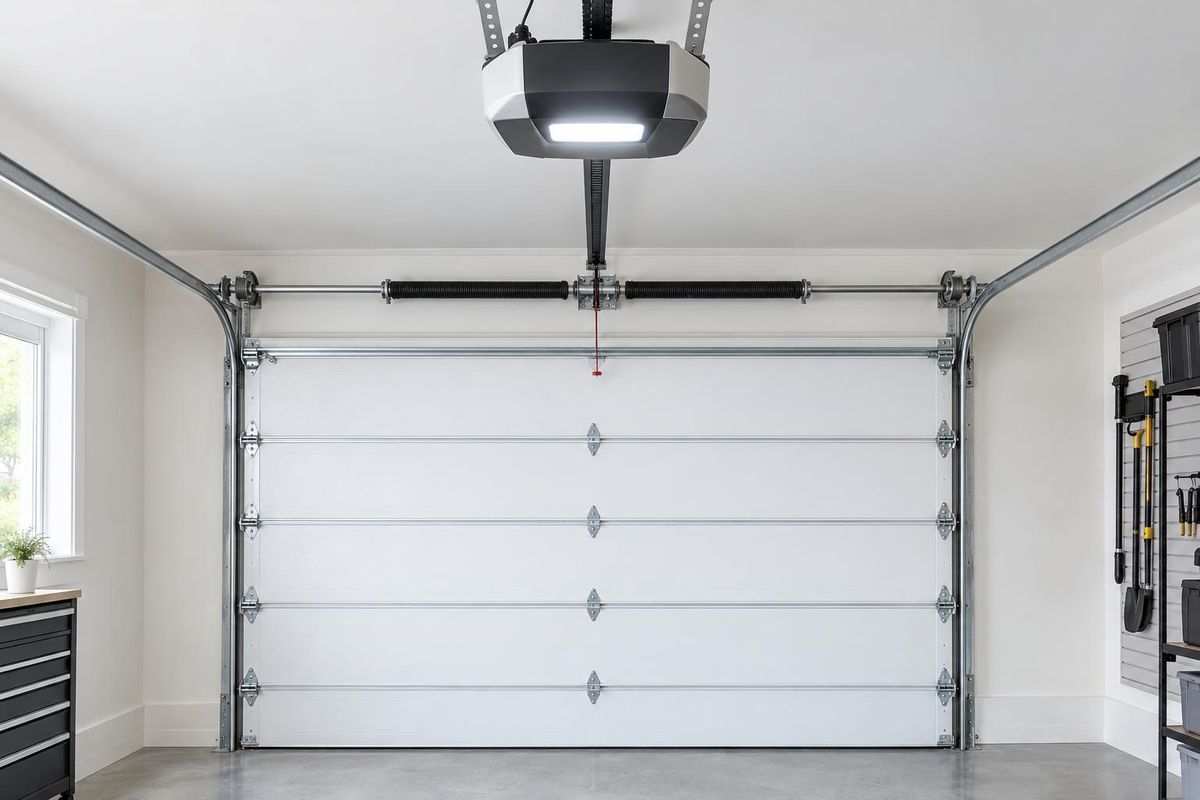
Chain-drive openers are durable and familiar but loud. Belt-drive models use a reinforced belt and are much quieter. Screw-drive models use a threaded rod with fewer moving parts. Wall-mounted, or jackshaft, openers sit beside the door, free up ceiling space and are very quiet.
If there is a bedroom above or beside the garage, belt-drive or wall-mount is usually worth choosing.
Horsepower and motors
Most residential doors work well with a half-horsepower motor, while heavy wood or oversized doors may need more. DC motors run more smoothly and quietly than older AC designs.
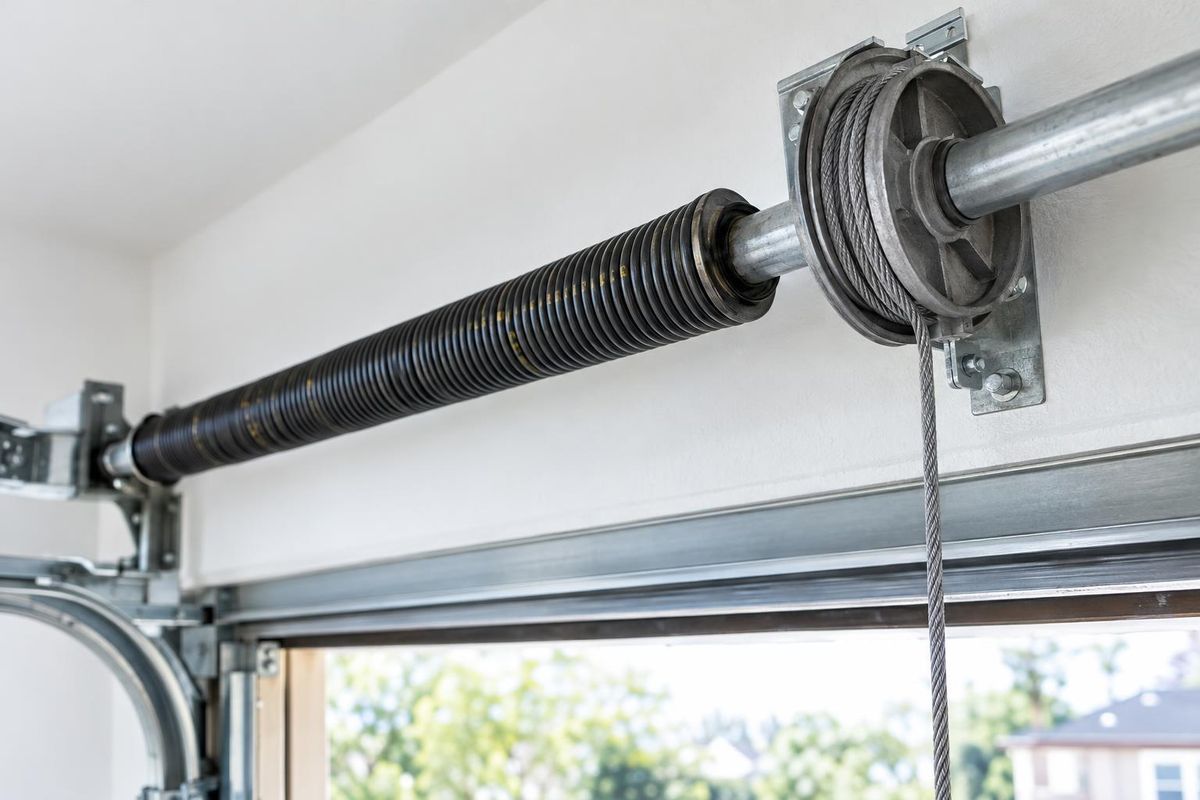
A poorly balanced door will strain any opener, so a balance check is part of every good installation.
Smart features and backup
Wi-Fi openers let you open, close and monitor the door from a phone. Many support alerts, schedules and smart-home systems. Battery backup lets the door operate when the power is out, which is useful during storms.
Check that your home Wi-Fi reaches the garage before choosing a smart model.
Safety and installation
Modern openers include photo-eye sensors and auto-reverse. They should be installed and tested properly, and the limits and force set correctly.
A professional installation also programs remotes and keypads and makes sure the door seats and reverses as it should.
Quick answers
How long does a garage door opener last?
It varies with use and quality, but many last a decade or more with good maintenance and a balanced door.
Can I use my old remotes with a new opener?
Often not. Newer openers use different codes, so remotes are usually re-programmed or replaced.